Safety. Sustainability. Responsibility.
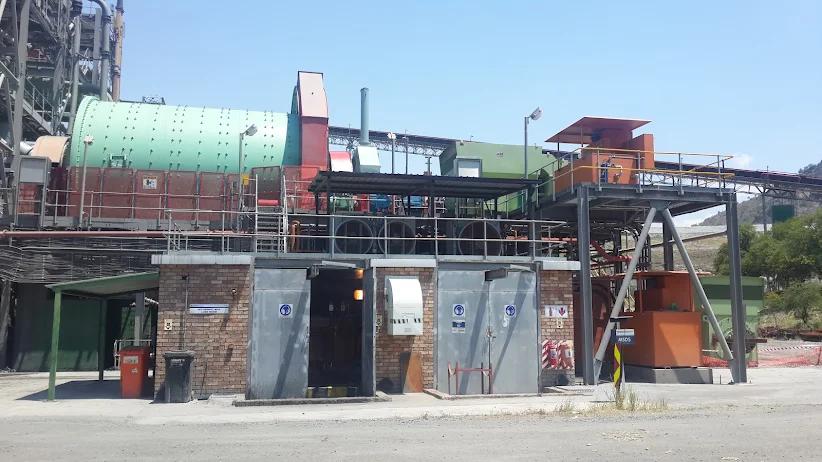
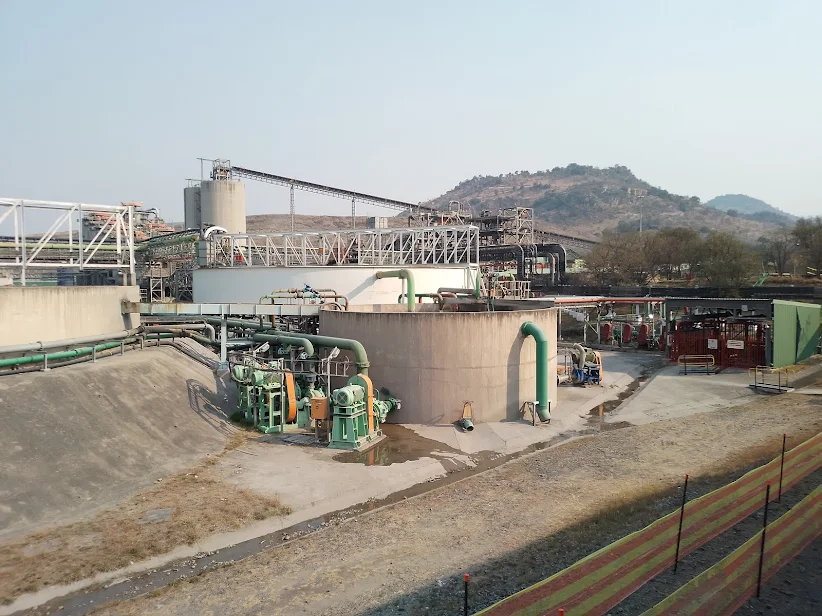
The Mototolo Complex includes the Mototolo Mine and the Der Brochen project as one consolidated operation. Current infrastructure includes the Lebowa and Borwa decline shafts, a concentrator with chrome recovery capability, an associated tailings facility, and the Der Brochen life-extension project. The UG2 Reef remains the primary reef being mined.
Following approval of the Der Brochen feasibility study and the subsequent LoAP update in 2021, the operation was consolidated and the asset life was extended. The Der Brochen life-extension project is focused on replacing Lebowa infrastructure. First ore was mined in Q3 2024, ramp-up advanced through late 2025, and project completion remains targeted for H1 2027.
Prior to the demerger, Anglo American plc, through Anglo American Platinum and Rustenburg Platinum Mines, held a 65.36% interest in the Mototolo mine. As part of portfolio simplification, Anglo American completed the demerger of Anglo American Platinum to establish an independent operating business.
On 8 May 2025, shareholders approved the proposed name change from Anglo American Platinum Limited to Valterra Platinum Limited. On 28 May 2025, Valterra Platinum began trading on the Johannesburg Stock Exchange as a standalone company following the spin-off from Anglo American.
Deposit type: Magmatic.
The Mototolo - Der Brochen Complex is located on the Eastern Limb of the Bushveld Complex in South Africa, within mountainous terrain south-west of Burgersfort and west of Lydenburg. The Merensky and UG2 Reefs strike broadly north-south and dip westward, with the UG2 Reef forming the primary mining horizon. The vertical separation between the Merensky and UG2 Reefs is approximately 170 m to 175 m.
The UG2 Reef is characterised by a main chromitite band, overlying poikilitic feldspathic pyroxenite, and a series of narrow hangingwall chromitite layers referred to as the Triplets. The immediate footwall is commonly a pegmatoidal feldspathic pyroxenite, while local split-reef facies may occur where internal pyroxenite or anorthosite-rich layers are present.
The Merensky Reef is a feldspathic pyroxenite package with mineralisation concentrated around distinct chromitite layers. The St George fault represents a major structural boundary across the operation, dividing shallow eastern ground from deeper western ground. Additional structural complexity includes potholing, localised faulting, and dolerite or diabase dykes, all of which influence mine planning and geological loss assumptions.
Contractor detail is controlled through approved operational channels and is not published on the public website.